
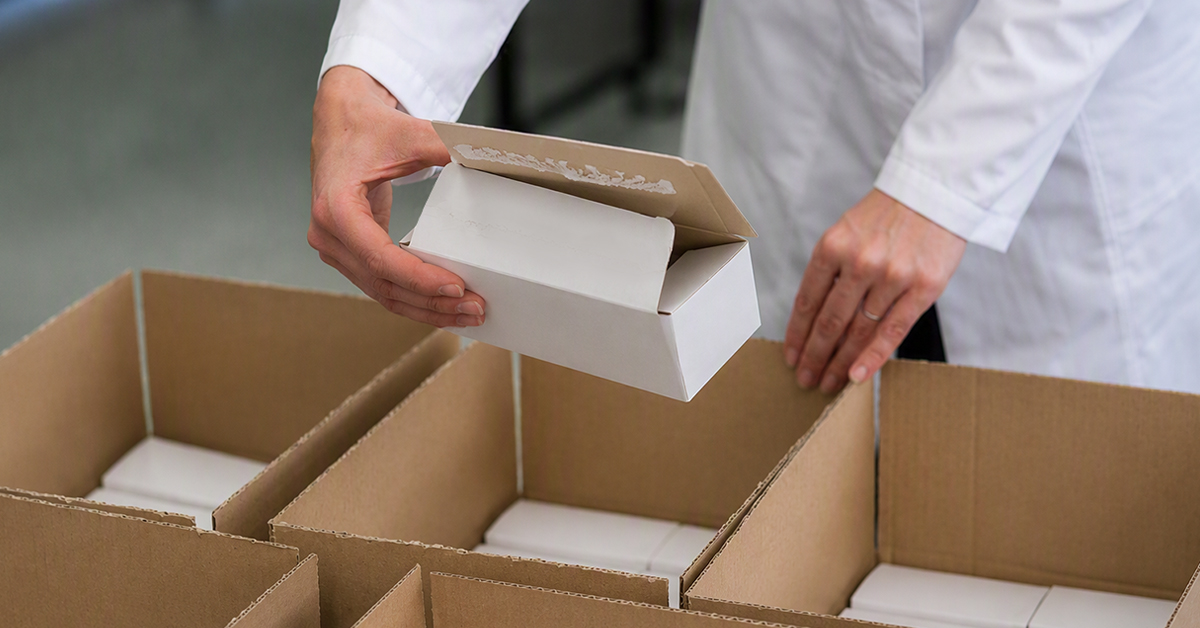
What Causes Packaging Pop-Opens?
Pop-opens are among the most common and costly challenges in case and carton sealing operations.
A pop-open is a seal failure that occurs when a corrugated case or carton reopens after compression because the hot melt adhesive bond did not form or maintain adequate strength. Pop-opens are typically caused by one or more factors affecting adhesive bond strength, from improper adhesive temperature, poor bead placement, environmental conditions, and more.
Why Pop-Opens Matter
Pop-opens can lead to rework, damaged products and customer complaints, downtime, and increased operational costs. Even a small percentage of failures can create significant waste when running high-volume packaging lines.
Addressing pop-opens requires more than simply adjusting adhesive settings. Manufacturers must consider the complete packaging operation, from adhesive selection, dispensing equipment, to maintenance practices.
Common Causes of Packaging Pop-Opens
While the symptoms of pop-opens may look similar, the underlying cause will vary from one operation to the next. The most common causes of packaging pop-opens include:
- Improper adhesive temperature
- Incorrect bead placement
- Insufficient adhesive volume
- Poor compression
- Equipment maintenance issues
- Substrate challenges
- Environmental conditions
Below, we’ll take a closer look at each of these common contributors to pop-opens as a first step toward diagnosing the problem and identifying an effective solution.
Improper Adhesive Temperature
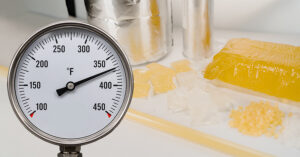
Hot melt adhesives are designed to perform within specific temperature ranges. When adhesive is applied too cold, it may not properly wet the substrate, resulting in weak bonds. When applied too hot, the adhesive can degrade, reducing its bond strength. Excessive temperatures can also cause adhesive charring or burning, which may lead to the clogging of nozzles, filters, and other dispensing components that further disrupt consistent adhesive application.
Incorrect Bead Placement
A properly placed adhesive bead is critical for creating a strong bond. Poor placement can prevent adequate surface contact and create weak sealing points.
Bead location also influences the amount of stress placed on the bond during package handling and use. Adhesive applied too close to a fold, score line, or hinge point may experience greater mechanical leverage as the carton is opened and closed, increasing the likelihood of bond failure. Placing the bead farther from the fold and closer to the edge of the flap (where appropriate for the package design) can help distribute stress more effectively and improve seal integrity.
Incorrect Adhesive Volume
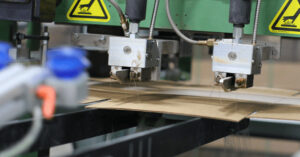
Both insufficient and excessive adhesive application can contribute to pop-opens. Too little adhesive reduces the available bonding area and strength, while too much adhesive can slow cooling and setting by increasing the amount of heat retained within the bond. Regularly verify bead size, length, and consistency to ensure optimal adhesive performance.
Poor Compression
Compression gives the adhesive time and pressure to form a strong bond. Misaligned compression sections, insufficient pressure, or inadequate compression time can contribute to failures.
Equipment Maintenance Issues
Clogged nozzles, dirty filters, inconsistent pump pressure, and worn components can all affect adhesive delivery and create intermittent quality issues.
Substrate Challenges
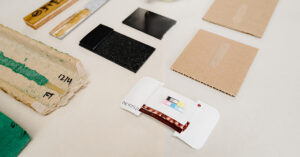
Recycled board, coated substrates, moisture variation, and inconsistent material quality can affect bond formation and require adjustments in adhesive selection or application settings.
Environmental Conditions
Excessively hot or cold facility temperatures, drafts, and changing substrate temperatures can influence adhesive performance and increase the likelihood of pop-opens.

A Practical Troubleshooting Checklist for Pop-Opens
A systematic approach to troubleshooting helps isolate potential issues. Use the following checklist as a starting point:
- Confirm adhesive temperature settings.
- Verify bead placement and bead size.
- Inspect nozzles, filters, and hoses.
- Check pump pressure and application consistency.
- Review guide rail and compression alignment.
- Evaluate substrate condition and temperature.
- Monitor environmental conditions around the packaging line.
You can also explore our Troubleshooting Guide, which can help you quickly find answers regarding your specific need for adhesive products, equipment, and more.
Preventing Future Pop-Opens with Expert Support
The most effective way to reduce pop-opens is through a combination of:
- Proper adhesive selection
- Routine equipment maintenance
- Consistent operating procedures
- Regular line audits
Because pop-opens are rarely caused by a single factor, successful troubleshooting requires a proactive approach to evaluate the entire packaging system before potential issues become costly production problems. When recurring seal failures persist, it often takes experienced guidance to identify the root cause and determine the most effective corrective action.
With more than 50 years of experience supporting packaging manufacturers, APPLIED provides expertise across adhesives, dispensing equipment, replacement parts, technical service, engineering support, and performance testing. We help manufacturers diagnose complex packaging challenges and implement practical solutions that improve package integrity, production efficiency, and long-term line performance. Our adhesive lab & engineering services provide in-depth testing and analysis of the materials, application parameters, and environmental factors affecting bond performance.
Whether you’re looking to resolve persistent pop-opens, improve adhesive performance, or optimize your packaging operation, contact APPLIED to connect with a packaging specialist.
FAQs
How do I know if my adhesive is causing pop-opens?
While adhesive performance can contribute to seal failures, the root cause may also stem from equipment settings, substrate characteristics, or environmental conditions. A holistic evaluation is often required to determine the true source of the issue.
How do packaging materials contribute to pop-opens?
Recycled corrugated board, coated substrates, moisture content, and material variability can all impact adhesive bond strength and seal integrity. In some cases, laboratory testing is needed to evaluate substrate compatibility and other factors affecting bond performance, helping manufacturers identify the most effective corrective actions.
How can manufacturers reduce recurring seal failures?
Reducing recurring pop-opens requires a proactive approach that includes routine equipment maintenance, consistent operating procedures, regular line audits, and selecting the right adhesive for the application. When standard troubleshooting steps fail to resolve recurring seal failures, working with an experienced packaging partner like APPLIED can help uncover root causes and identify practical corrective actions.